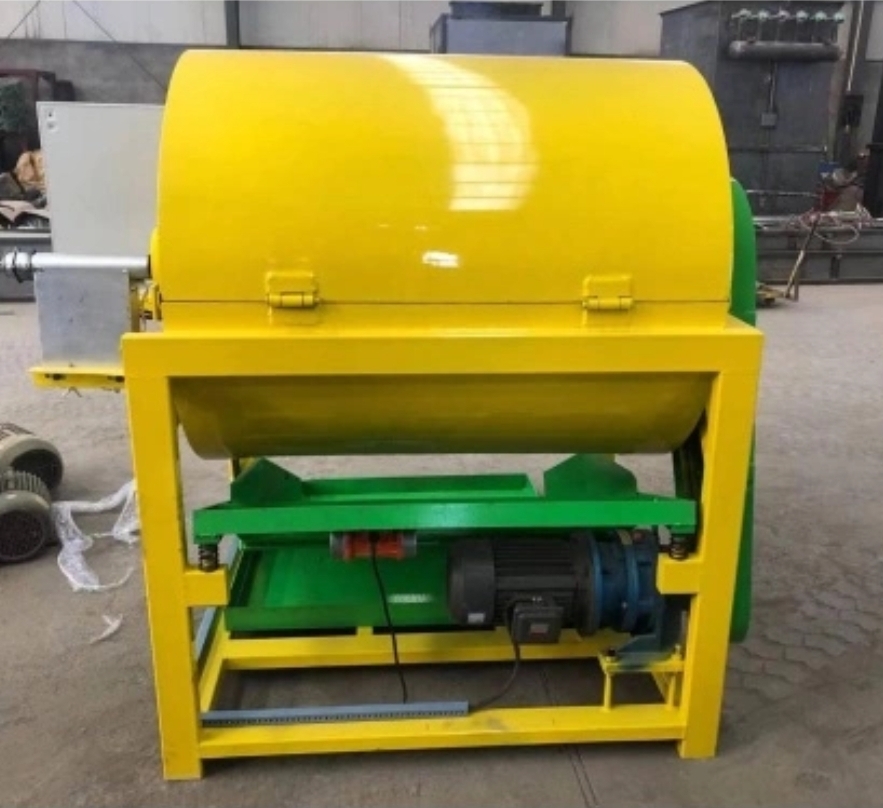
PCB Circuit Board Dismantling Machine
PCB circuit board dismantling machine is used to dismantle the electronic components from all kinds of printed circuit boards, such as computer boards, cell phone boards, etc.
Capacity: 100-500kg/h
Application: PCB circuit board recycling
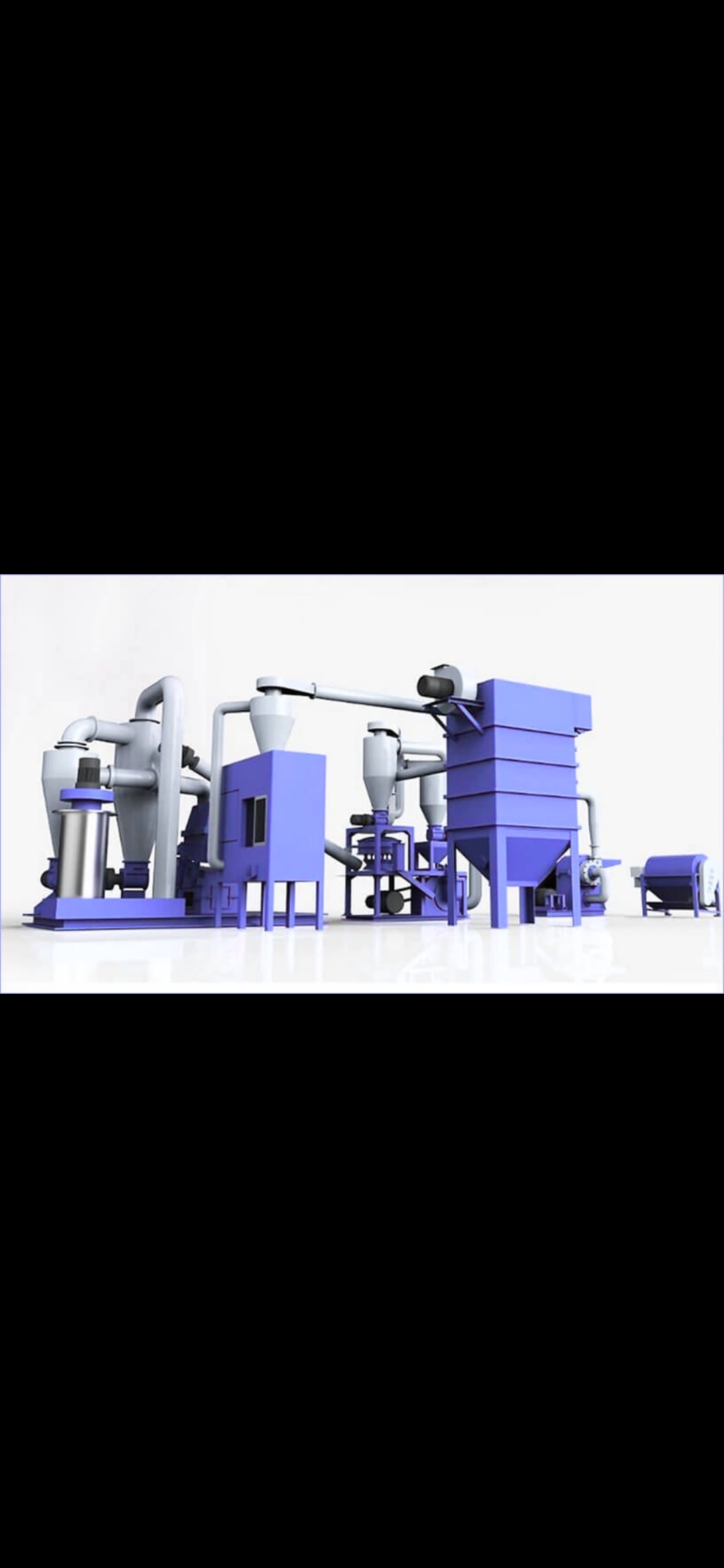
PCB Circuit Board Recycling System
The PCB board recycling machine is used to process the separation of metal and non-metal in waste printed circuit boards, copper clad laminate, circuit boards and leftover materials, then reuse the copper and resin powder. The equipment uses high voltage separator to make the separation more fine, effectively control the loss of nonferrous metals,. The separation rate of air separation equipment is up to 99%.
Capacity: 50~2000kg/h
Application: PCB recycling, scrap circuit board crushing and separation
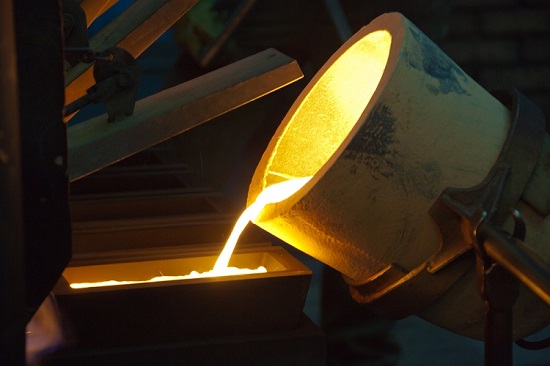
| Benefits |
|---|
| Safe & Easy Operation |
| Continues Melting Of Metal with Chilling Plant |
| Convenient Layout |
| Perfect Mixing Of Alloys Due To Auto Stirring |
| Economical and Efficient In Operation |
| Increased Productivity |
| 40% Income Tax Depreciable Under Energy Saving |
| 100% Flameless Device Technology |
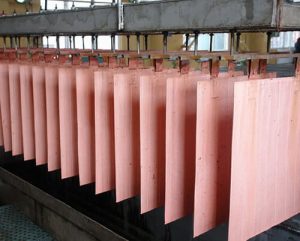
An electrolytic copper equipment can improve the quality of copper as an electrical conductor and the electrolytic refining method is usually carried out in an aqueous solution.
Electrolysis is the process of passing a current through an electrolytic solution or a molten electrolyte to cause a redox reaction on the cathode and anode. An electrochemical cell can undergo an electrolytic process when a DC voltage is applied. Cooper electrorefining produces copper essentially free of impurities and separates valuable impurities from copper as recover as by-products.
Electrolysis and refining of copper:
A blister copper (Cu 99%) prefabricated plate was used as an anode, a pure copper flake was used as a cathode, and an anion and an anode were placed in an electrolytic bath, and an aqueous solution of sulfuric acid (H2SO4 ) and copper sulfate (CuSO4 ) was used as an electrolyte mixture. Under the action of direct current, copper is dissolved from the anode (Cu) into copper ions and moved to the cathode, and the copper ions reach the copper obtained after the cathode is precipitated (also called cathode copper). This kind of copper, called “electrolytic copper”, is of high quality and can be used to make electrical products. The substance deposited on the bottom of the cell, called “anode mud”, is rich in gold and silver and is very expensive. It has great economic value to be taken out and processed.
We are the best copper cathode equipment manufacturer in China, and our equipment can produce 99.97–99.99% copper cathode from scrap copper.
Each electrolytic copper equipment production line will be customized according to the combination of the customer’s raw material supply capacity and the actual production workshop scale. Tailor-made electrolytic copper production lines for customers that suit their own interests.
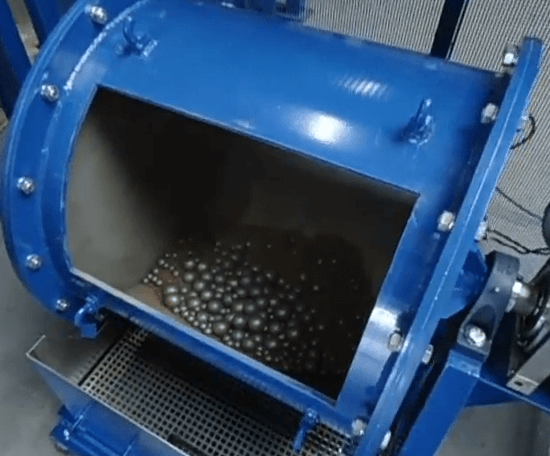
A section cut-through of ball mills
A ball mill is a type of Grinding used to grind or blend materials for use in mineral dressing processes, paints, pyrotechnics, ceramics, and selective laser sintering It works on the principle of impact and attrition: size reduction is done by impact as the balls drop from near the top of the shell.
A ball mill consists of a hollow cylindrical shell rotating about its axis. The axis of the shell may be either horizontal or at a small angle to the horizontal. It is partially filled with balls. The grinding media are the balls, which may be made of steel (, stainless steel, ceramic, or rubber. The inner surface of the cylindrical shell is usually lined with an abrasion-resistant material such as or rubber lining. Less wear takes place in rubber lined mills. The length of the mill is approximately equal to its diameter.
The general idea behind the ball mill is an ancient one, but it was not until the Industrial and the invention of that an effective ball milling machine could be built. It is reported to have been used for grinding .
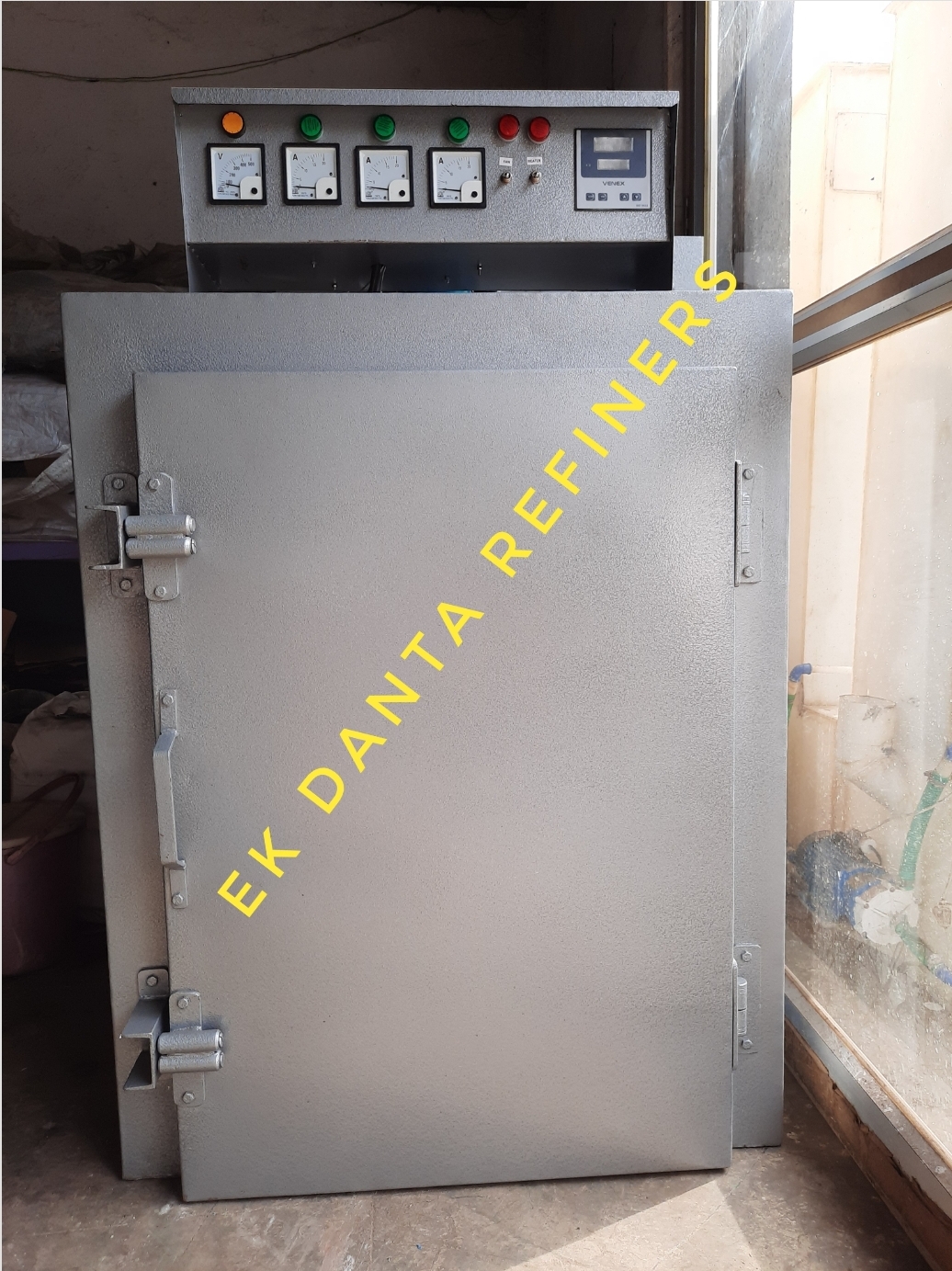
The silicon carbide Rod heating elements have a maximum power output of 2.5 kW on each of the 3 heating groups for the The power on each phase is electronically controlled which avoids manual regulation and increases the life of the heating elements.
The new EDR furnace has a stainless steel structure with insulated walls and a cooling system consisting of 3 fans that allow the flow of hot air towards the upper part of the furnace, thus facilitating suction. With this new thermal insulation, the external surface temperature of the furnaces does not exceed 50-90 °C.
This new model also has a slightly larger muffle compared to the previous version and can now accept up to 7 cupels per row; the EDR/10 cupels per row.
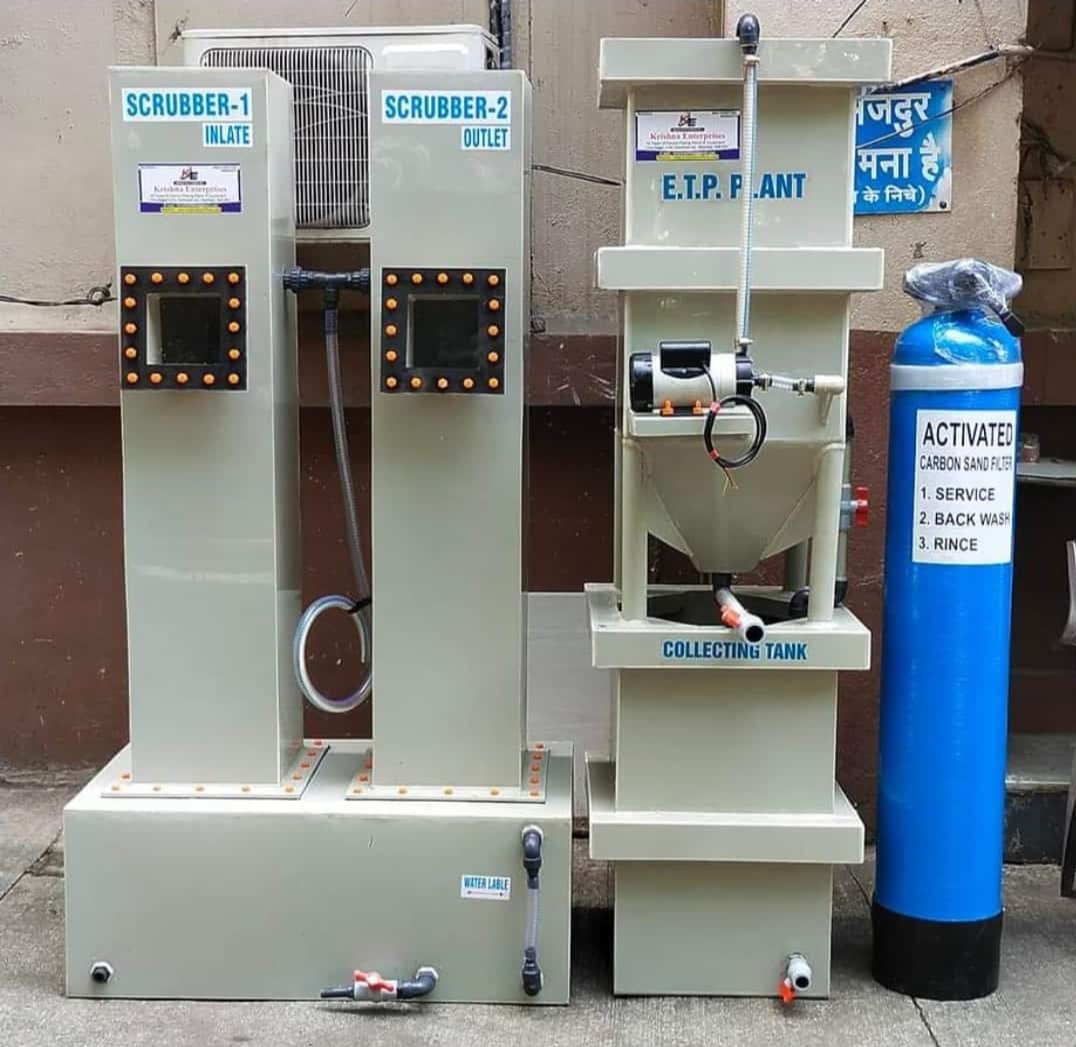
To clean industry effluent and recycle it for further use.
• To reduce the usage of fresh/potable water in Industries.
• To cut expenditure on water procurement.
• To meet the Standards for emission or discharge
of environmental pollutants from various Industries set by
the Government and avoid hefty penalties.
• To safeguard environment against pollution and contribute in
sustainable development.
Design of ETP
The design and size of the ETP depends upon:
• Quantity and quality of the industries discharge effluent.
• Land availability.
• Monetary considerations for construction, operation & maintenance.
• Area dimension depends on:
Quality of wastewater to be treated,
Flow rate
Type of biological treatment to be used .
• In case of less available land, CETP (Common Effluent Treatment
Plant) is preferred over ETP
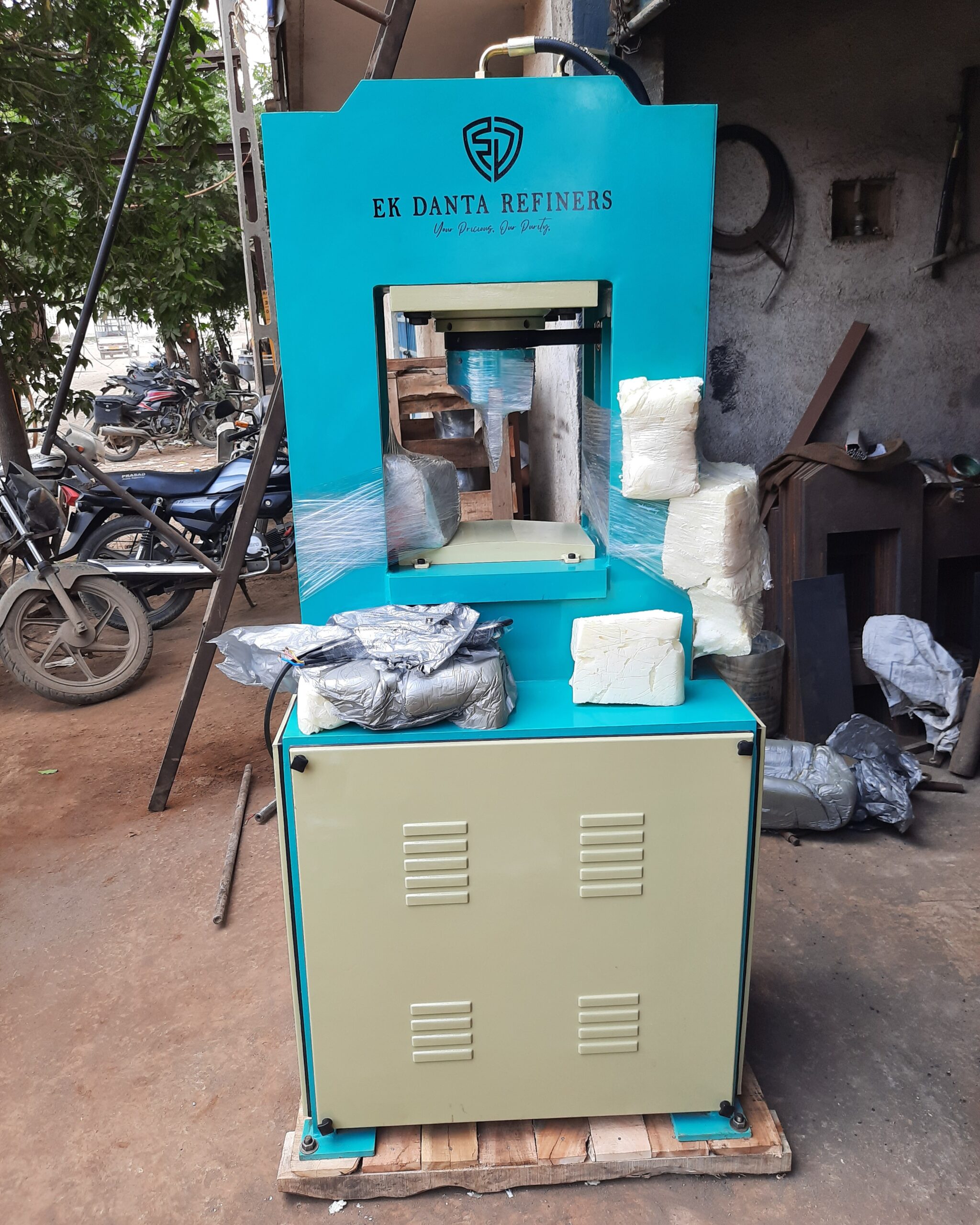
80 Ton Coin Press Machine
Product Details:
| Capacity | Gold and Silver Jewellery Coin Making Machi8ne |
| Model Name | EDR-80Ton |
| Automation Grade | Semi Automatic |
| Automatic Grade | Semi-Automatic |
| Brand | EDR |
| Control Type | Non-CNC |
| Material | Ms |
| Condition | New |
· Max. Working Thrust = 100-200 Tons
· Motor Power = 2 HP – 5 HP.
· Working Pressure = 350
· Machine Weight = 980/1900 kg
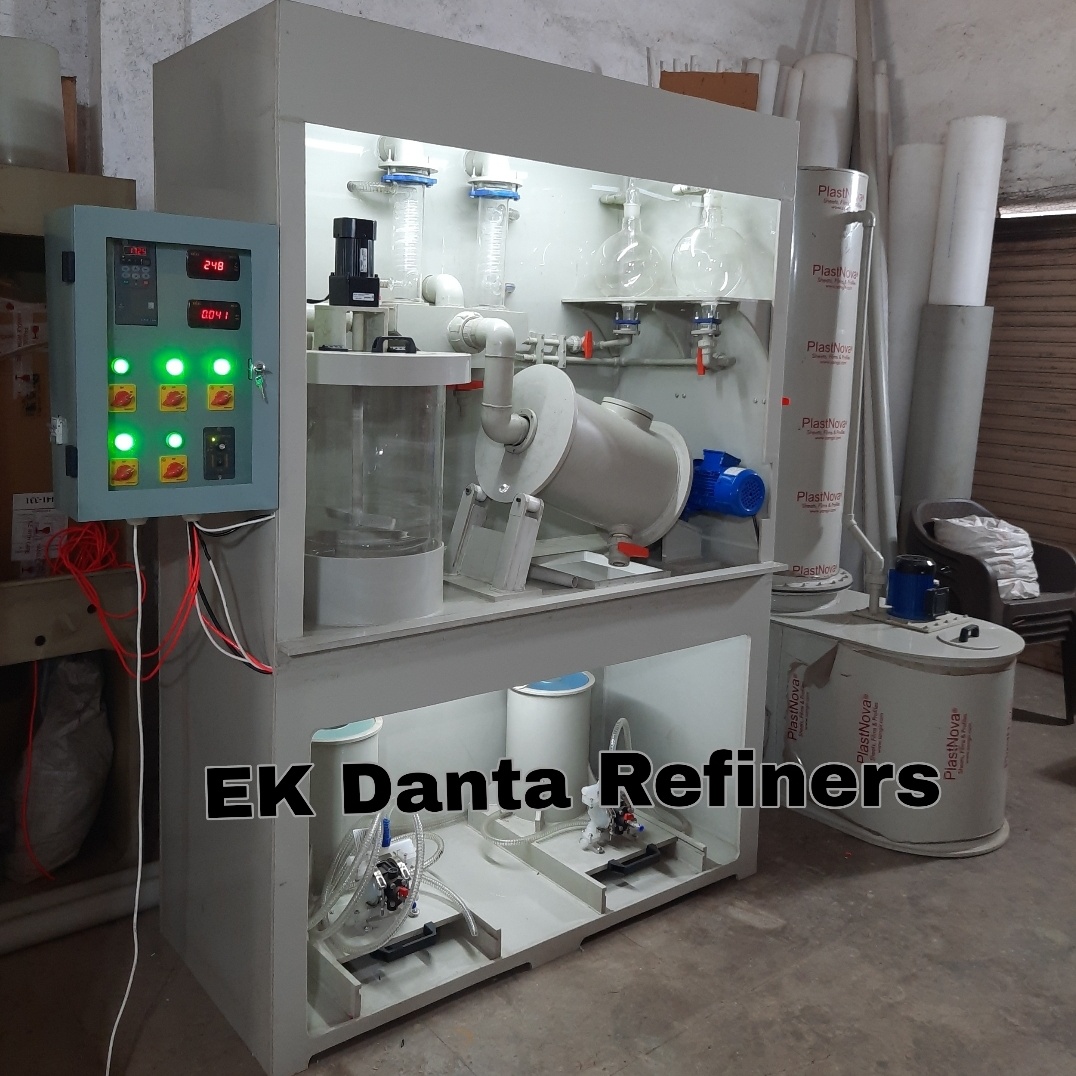
E waste scrap precious metal refining system is used for recovery and refining precious metals such as gold, silver, palladium and platinum from electronic waste containing precious metal chip components and anode mud.
Capacity: 50 Kg
Application: e waste scrap recycling, gold recycling, precious metal recycling